Equipment Floater & Inland Marine for grading contractors
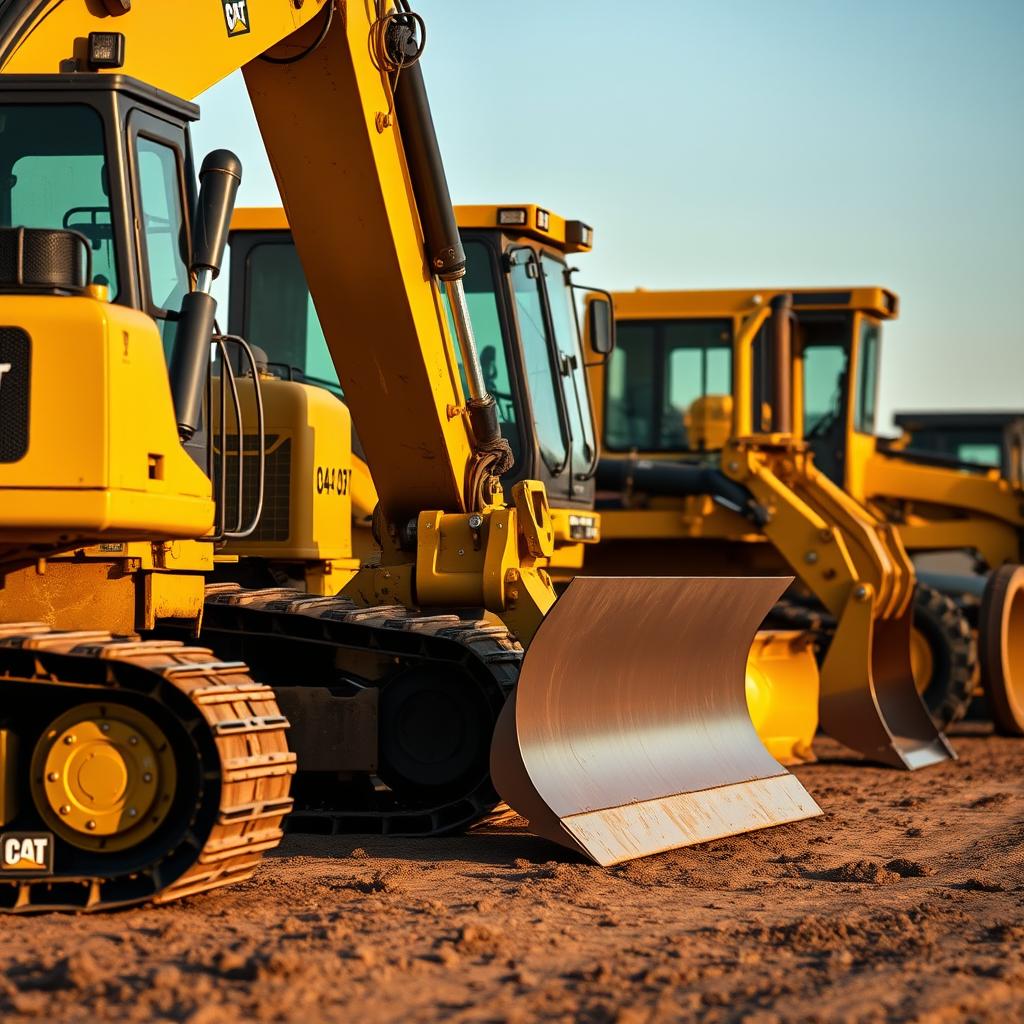
Covers your excavators, bulldozers, motor graders, scrapers, compactors, skid steers, and attachments wherever they work — in transit on a lowboy, staged on the job site, or parked overnight. Standard property excludes off-premises equipment; an equipment floater is what actually insures a fleet that moves.
What it covers
- Physical damage and theft of scheduled equipment on the job site
- Coverage in transit — on a lowboy or haul trailer
- Equipment staged or parked overnight at off-site locations
- Rented and leased equipment (with endorsement)
- Attachments, buckets, and small tools
- Agreed value scheduling — no depreciation argument at claim time
Who it's for
- Any grading contractor with mobile equipment that leaves the yard
- Operations renting or leasing equipment for peak work
- Companies whose property policy excludes off-premises equipment
- Contractors wanting agreed value on high-value yellow iron
Why CCA
- Equipment scheduled at agreed value — real replacement cost, not ACV
- Rented/leased equipment coverage added so peak-season rentals are covered
- E&S market access for contractors with prior equipment losses
Common questions about equipment floater & inland marine
Equipment breakdown insurance (also called boiler and machinery or mechanical breakdown insurance) covers sudden and accidental failure of mechanical, electrical, or hydraulic systems in your equipment — pump failures, transmission failures, hydraulic system failures, and similar mechanical events that your inland marine policy specifically excludes. For grading contractors with high-value equipment — excavators worth $200,000-$500,000, motor graders over $300,000 — a single mechanical breakdown can produce a repair bill of $30,000 to $80,000 or more. Equipment breakdown insurance fills this gap and is generally available as an endorsement or separate policy at relatively modest cost.
Equipment rented from a dealer is typically not covered under your own equipment floater, which insures property you own. When you rent a machine, you're responsible for physical damage to it during the rental period — and most rental agreements make this explicit in the contract. You have two options: (1) purchase the dealer's damage waiver at the counter (typically $75-$200/day), which limits your liability for physical damage; or (2) add a 'hired equipment' endorsement to your existing inland marine policy, which extends your equipment floater to cover rented machines. For contractors who rent frequently, the hired equipment endorsement is almost always more economical than buying the dealer's daily waiver on every rental.
An equipment floater (inland marine) insures mobile equipment — excavators, dozers, graders, scrapers, compactors — wherever it works: in transit, on-site, or staged overnight. Standard property excludes equipment once it leaves your premises, so if your fleet moves job to job, you need a floater.
For earthmoving contractors, it covers the scheduled equipment itself — physical damage and theft of excavators, dozers, graders, scrapers, and attachments — on the job site, in transit, and in the yard. It can also cover rented or leased equipment and small tools.
Equipment can be scheduled at agreed value (a set amount on a total loss, no depreciation argument) or actual cash value (depreciated). For high-value yellow iron, agreed value is almost always better — it removes the depreciation dispute at claim time. We schedule at realistic agreed values.
It can, with the right endorsement. We add scheduled and blanket rental-reimbursement and leased-equipment coverage so a rented excavator damaged or stolen on your site is covered — rather than leaving you exposed to the rental house's loss.
Yes — that's one of the core purposes of an equipment floater. Standard property ends when equipment leaves your premises; inland marine covers it in transit on a lowboy, staged on-site, and parked overnight. We confirm the transit and off-site language so there are no gaps.
Cost is driven by crew size and payroll, equipment fleet value, number and type of hauling vehicles, scope of work, state, and loss history. We quote your actual operation in about 15 minutes — never a ballpark from a generic contractor form.
Yes. Contractors Choice Agency is licensed in all 50 states and writes programs nationwide — Phoenix, Dallas, Denver, Atlanta, Nashville, Raleigh, Salt Lake City, Boise, and everywhere grading operates.
Typically 15 minutes on a call. Larger programs, surety underwriting, or poor loss history may take a day or two to place with the right markets, but we move fast and set expectations up front.
Often yes. We have admitted and E&S markets for contractors declined over prior loss runs, a poor X-Mod, OSHA citations, or high-hazard class codes. Bring us your situation and we'll find a market.
Usually yes. A coordinated program closes gaps between policies and is typically cheaper than separate policies from separate carriers — and far easier to manage at claim and audit time.
A.M. Best ratings reflect a carrier's financial strength and ability to pay claims. We place coverage with A-rated (and A.M. Best A+ where possible) carriers so the coverage is there when an equipment theft, a haul-truck accident, or a trench-collapse claim hits.
Yes. Residential site prep, commercial pad building, road and highway grading, utility trenching, land clearing, and mass-grading operations all carry different exposure profiles. We tailor each program to the actual scope of work you perform.
Equipment scheduled at agreed value is paid the scheduled amount on a covered total loss — no depreciation argument. Equipment at actual cash value is depreciated, often heavily. Proper agreed-value scheduling is what ensures a fleet claim pays what the iron was actually worth.
Crew size and breakdown by role, equipment list with values (owned and rented), vehicle list (dump trucks, lowboys, pickups), scope of work and typical contract size, current coverage and limits, bonding needs, payroll, and loss history. The more detail, the more accurate the quote.
It can, with the right class codes and endorsements. Land clearing, demolition, and burning operations carry distinct liability and pollution exposure that standard GL may under-cover or exclude. Tell us your full scope and we'll add the right coverage.
Yes. Sole proprietors and owner-operators often have different workers' comp, auto, and equipment exposure than a multi-crew company — and may qualify for mono-line or owner-operator programs. We reflect how you actually run in the rating and coverage.
Equipment-floater claims are paid against the schedule — serial numbers, year, make, model, and value. Incomplete records mean delays and reduced payments. We help you document the fleet properly up front so a theft or damage claim is settled quickly and fully.
Yes. If you run multiple crews, mobilize across sites, or lease and rent equipment, we build one coordinated program covering owned, leased, and rental equipment and active projects with no gaps.
Ready to protect your grading operation?
Get a 15-minute quote from specialists who understand grading and earthmoving — general liability, dump-truck auto, equipment floaters, and bonding.