Equipment Floater vs. Inland Marine Insurance: What's the Difference?
By Josh Cotner
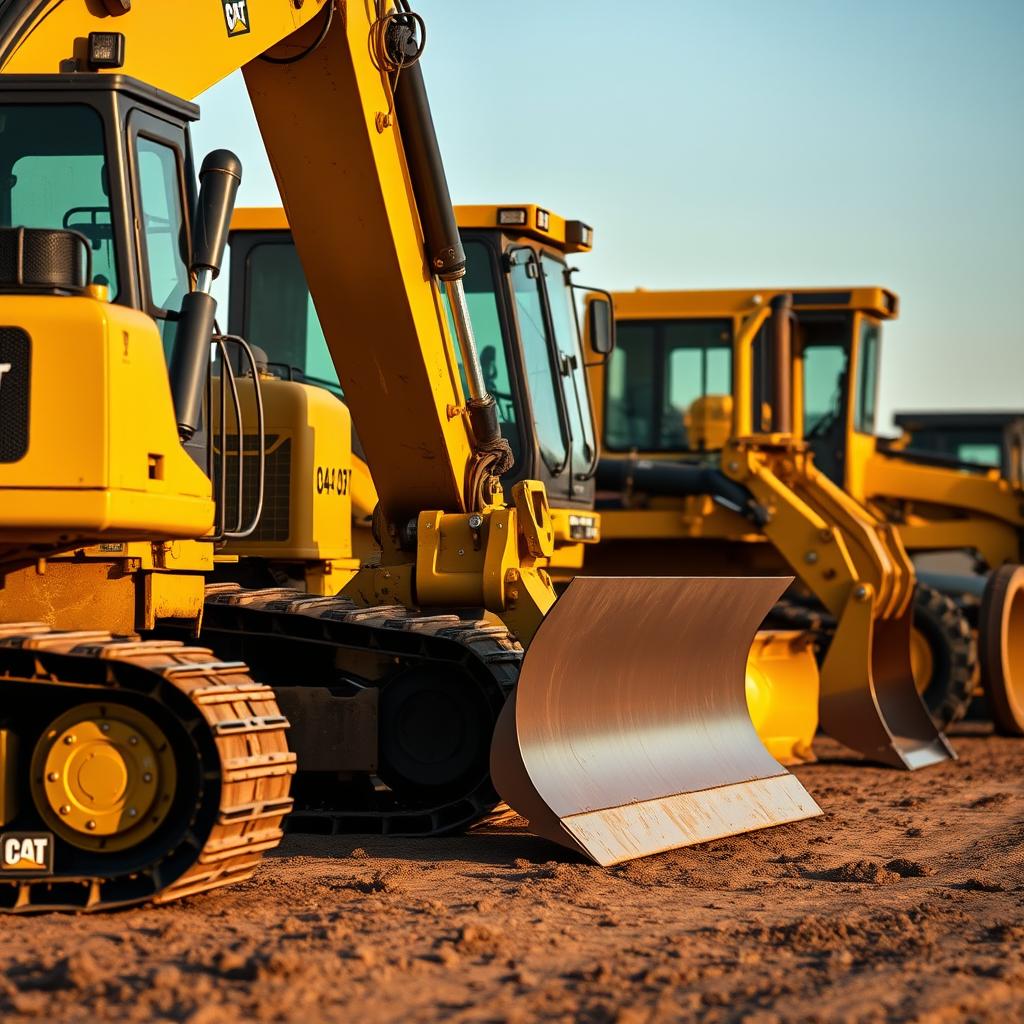
Equipment Floater vs. Inland Marine Insurance: What's the Difference?
If you've shopped coverage for your excavators, bulldozers, motor graders, or scrapers, you've heard the terms "equipment floater" and "inland marine" used almost interchangeably — and often to describe the same policy. The confusion is understandable, and mostly harmless. But the terms point to a real distinction that affects how your fleet is insured, where it's covered, and what it pays at claim time.
Here's the plain-English version.
Inland Marine Is the Category
Inland marine is a broad category of insurance that originated with ocean marine — coverage for cargo in transit. As commerce moved inland, the coverage followed: goods and equipment moving over land, then equipment that works away from a fixed location, then specialized property that doesn't fit a standard property form.
Today, inland marine covers a wide range of "moving or specialized" property:
- Contractors' equipment (the big one for grading and earthmoving)
- Installation floater (materials in transit to and installed at a job site)
- Tools and small equipment
- Riggers and motor-truck cargo
- Builders risk (often written on an inland marine form)
For a grading contractor, inland marine is the line of business — the policy type — that covers mobile equipment.
Equipment Floater Is the Specific Policy
An equipment floater is a specific inland marine policy that covers contractors' equipment. The word "floater" comes from the fact that the coverage "floats" with the equipment — it follows the machine wherever it goes, rather than being tied to a fixed location like a building.
So when an agent says "you need an equipment floater," they're saying: you need the specific inland marine policy that covers your excavators, dozers, graders, scrapers, compactors, skid steers, and attachments on the job site, in transit, and staged overnight.
All equipment floaters are inland marine. Not all inland marine is an equipment floater.
What Actually Matters at Claim Time
The category label matters less than the specifics of the policy. When a machine is stolen or damaged, what matters is:
Where it's covered
Standard property covers equipment at your premises. Once your excavator leaves the yard on a lowboy, standard property stops covering it. An equipment floater covers the machine:
- On the job site
- In transit on a lowboy or haul trailer
- Staged or parked overnight at off-site locations
- In the yard
This is the single biggest gap we see — contractors whose equipment was on property coverage that ended the moment it left the gate.
How it's valued
Equipment can be scheduled at:
- Agreed value — a set amount paid on a covered total loss, no depreciation argument. This is almost always the right choice for high-value yellow iron.
- Actual cash value (ACV) — depreciated value, often heavily. Cheaper premium, but a much smaller check at claim time.
We schedule equipment at realistic agreed values based on age, condition, and replacement cost, so a theft or total loss isn't argued down.
What's on the schedule
The schedule is the list of insured equipment — serial number, year, make, model, and value. Incomplete schedules mean delays and reduced payments at claim time. We help you build a complete schedule up front, including attachments and (with the right endorsement) rented and leased equipment.
Builder's Risk vs. Inland Marine
A related confusion: builders risk vs. inland marine. Builder's risk covers the work in progress on a project — installed pipe, base, paving, improvements — against fire, theft, and storm before turnover. Inland marine (equipment floater) covers the equipment doing the work. They're two different exposures, and a grading contractor doing site-prep work often needs both.
The Bottom Line
When you hear "equipment floater" or "inland marine" in the context of your fleet, the agent is talking about the coverage that insures your mobile equipment wherever it works. The questions that actually matter are: does it cover off-premises, in transit, and staged overnight? Is it agreed value? Is the schedule complete?
If your current policy is property coverage that ends at your gate, or an ACV floater that will depreciate your iron at claim time, it's worth a 15-minute review. The point of insuring a fleet that moves job to job is that it's covered when it's actually working — not just when it's parked at home.
Need this coverage for your grading operation?
Get a real quote in about 15 minutes — we shop A-rated specialty contractor markets.