What Insurance Does an Excavation Contractor Need?
By Josh Cotner
What Insurance Does an Excavation Contractor Need?
Excavation contractors carry some of the most concentrated risk on a job site. You're running heavy equipment, digging trenches, hauling loads on public roads, and working under contracts that push liability down to the subcontractor. A generic contractor policy — one built for a plumber or a handyman — will not hold up when an excavator rolls, a trench collapses, or a haul truck is involved in a serious accident.
Here's the coverage an excavation contractor actually needs, and why each line matters.
1. General Liability Insurance
General liability (GL) is the foundation — and in nearly every case, it is mandatory. General contractors, developers, and municipalities require a certificate of GL, usually with additional insured status, before an excavation contractor can mobilize.
GL covers third-party bodily injury and property damage from your operations:
- A haul truck damaging a curb or neighboring property
- A visitor injured on the job site
- Runoff or debris washing onto an adjoining parcel
- A utility strike during trenching that damages third-party property
For excavation contractors, the contract review is where coverage lives or dies. Your GL needs additional insured endorsements, waivers of subrogation, and primary/non-contributory wording — or the GC will kick your certificate back.
2. Workers' Compensation
Excavation work is high-hazard. Equipment rollovers and crush injuries, trench collapses, struck-by incidents around excavators and loaders, heat illness, and heavy-labor sprains and strains are all common claims.
In most states, workers' comp is required the moment you have W-2 employees. The key is class-coding — operators, laborers, and truck drivers each carry different codes, and wrong codes mean overpayment, undercoverage, and audit surprises. Your experience modifier (X-Mod) follows you, affects premium, and can limit bonding and contract eligibility.
3. Commercial Auto
Dump trucks, lowboys, tractor-trailers, water trucks, and pickups used on public roads need commercial auto. Personal auto policies and farm forms exclude business hauling and carry limits far too low for the third-party exposure of a loaded dump truck or a lowboy hauling an excavator.
If you cross state lines or meet DOT thresholds for for-hire trucking, you also need motor carrier filings (MCS-90). We structure commercial auto with the right filings and an umbrella above it.
4. Equipment Floater (Inland Marine)
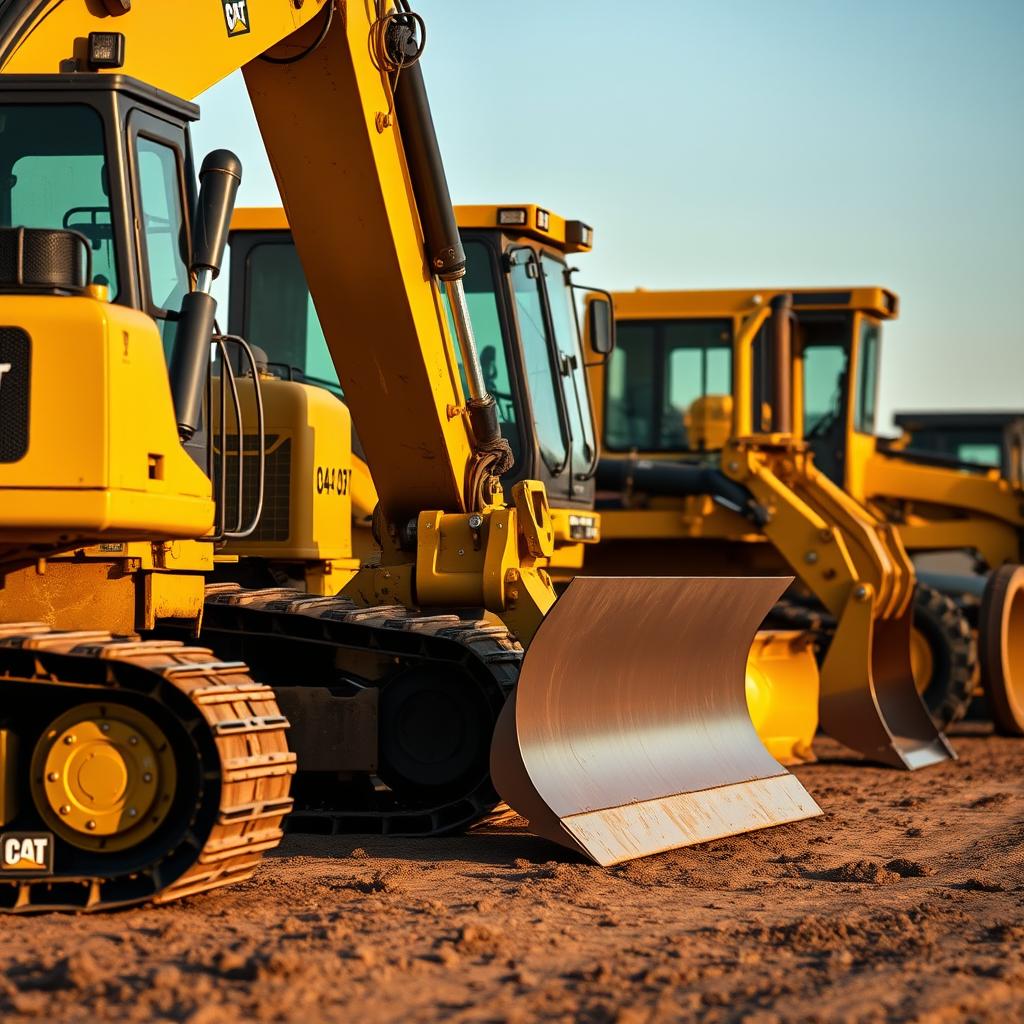
This is the coverage most excavation contractors are missing or under-carrying. An equipment floater insures your excavators, dozers, loaders, graders, and attachments wherever they work — in transit on a lowboy, staged on the job site, or parked overnight.
Standard property policies exclude equipment once it leaves your premises. If your fleet moves job to job (and it does), you need an equipment floater to actually insure it. Schedule equipment at agreed value so a theft or total loss isn't argued down by depreciation.
5. Builder's Risk (When the Contract Requires It)
Builder's risk (course of construction) covers the work in progress — installed storm pipe, base course, paving, curbs, and improvements — against fire, theft, vandalism, and storm before the project is turned over. Many developer, municipal, and DOT contracts require the excavation or site-prep contractor to carry it on installed work.
6. Umbrella / Excess Liability
Excavation and hauling carry serious third-party exposure. A loaded dump truck in an at-fault accident, or a trench-collapse fatality, can blow through primary GL and auto limits in minutes. An umbrella sits above your GL, commercial auto, and employers liability — pushing total limits to $2M, $5M, or more. Most DOT and large developer contracts require it.
7. Surety Bonds (Bid, Performance, Payment)
Bonds aren't insurance — they're a three-party credit instrument guaranteeing you'll perform the contract and pay your subs and suppliers. Public works, DOT, and many private developer contracts require bid, performance, and payment bonds. A bonding line (not a single one-off bond) is what lets you scale into bigger work.
How It Fits Together
The right excavation insurance program isn't a stack of separate policies — it's one coordinated structure where GL, workers' comp, auto, equipment floater, builder's risk, and umbrella stack correctly and surety is sized to the work you're chasing. That coordination is what closes the gaps where claims fall and get denied.
If your current coverage was built one policy at a time from whoever quoted cheapest, it's worth a 15-minute review. The most expensive insurance is the kind that doesn't pay when a real claim hits.
Need this coverage for your grading operation?
Get a real quote in about 15 minutes — we shop A-rated specialty contractor markets.